I was hosting metal stamping make and takes at a big trade show last month when a woman walked up to the podium. I could tell she was a perfectionist, she was very concerned with getting it right. It took her far longer than most to stamp the three tiny pieces of metal with one letter. She was becoming increasingly flustered.
“How do I make this perfect?” She asked.
“You don’t.” I answered, pausing. “If you want perfect, get a cast metal or laser inscribed piece of jewelry. This is metal stamping, it’s done my hand, it’s meant to have some imperfection.”
“I want it to be perfect.” She pouted.
I couldn’t help her. This was something in her head that I simply couldn’t fix. Some people are not capable of embracing imperfection in metal stamping or life in general. Which is funny, considering most things are imperfect. I find imperfection beautiful. Flaws, scars, asymmetry and inconsistencies fascinate me. I am not afraid of imperfection, I embrace it. Yet, I have to admit that sometimes even I look at my metal stamped pieces so intensely, that I begin to fall into the ‘it’s not perfect’ trap.
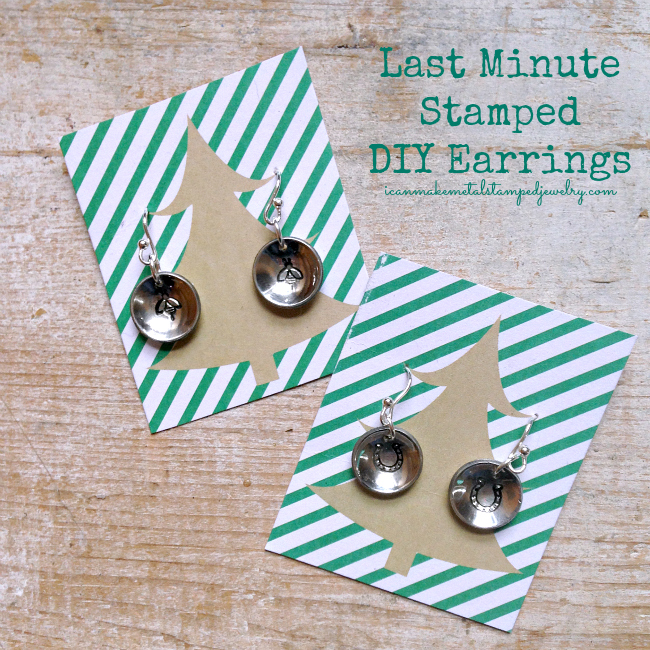
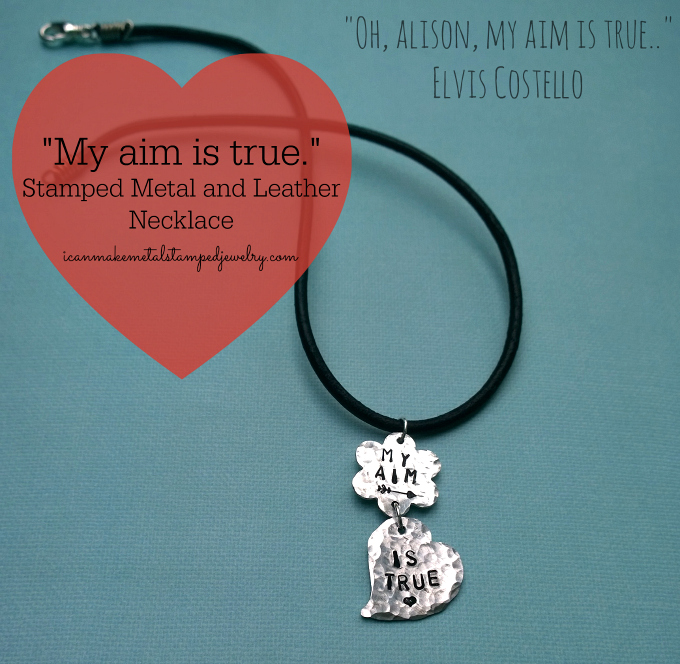
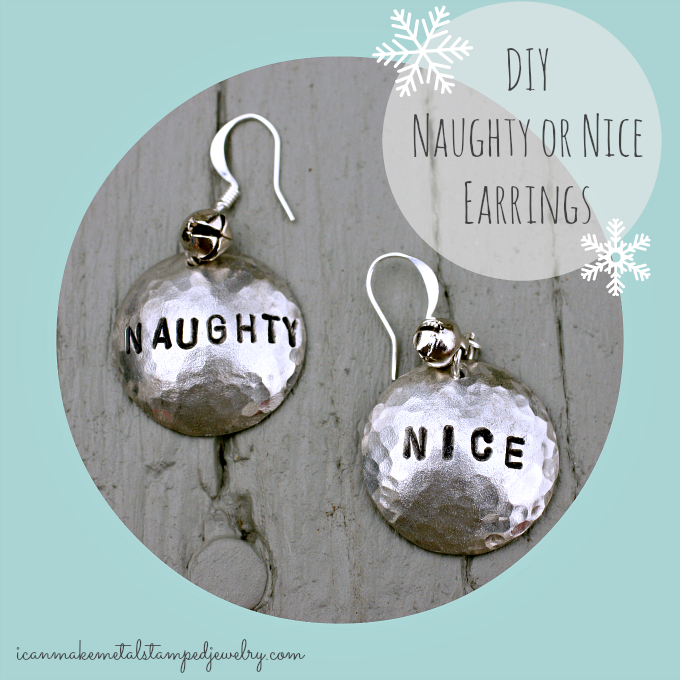
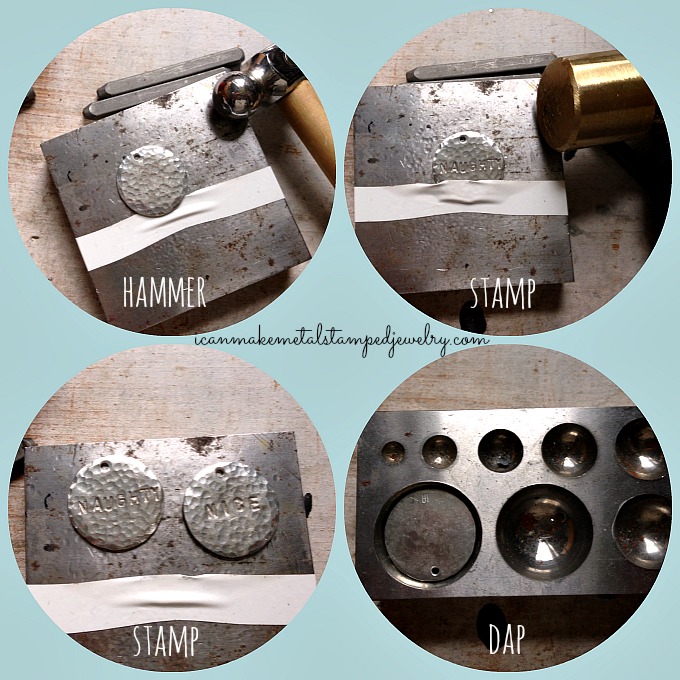
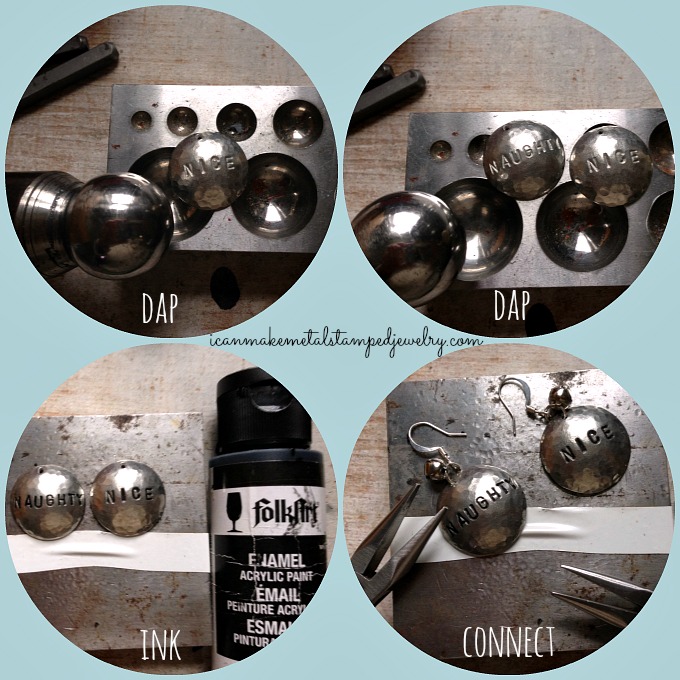
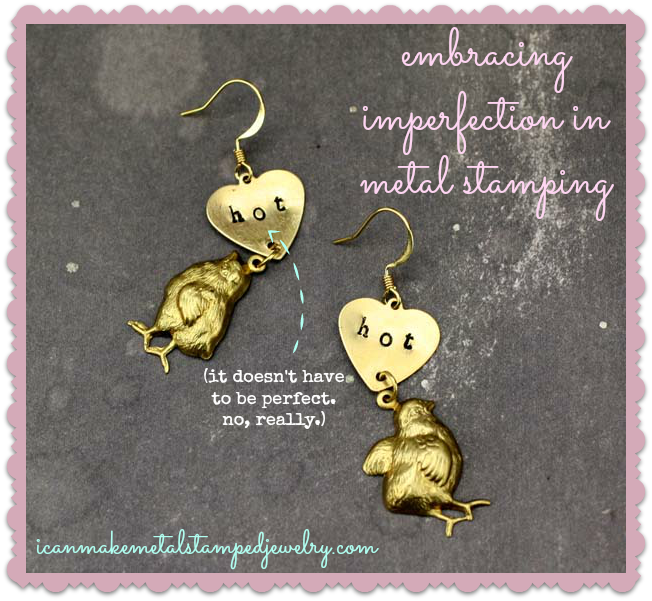
Then I let that go. Walk away, come back with fresh eyes and most of the time those tiny flaws have disappeared. There are a few things you can do to approach this. One approach is to intentionally skew the placement of your letters. If you make them cattywompus on purpose, then ‘perfect’ loses meaning. Plus, angling your letters adds a lovely touch of whimsy. Here’s an example of a cattywompus design.:
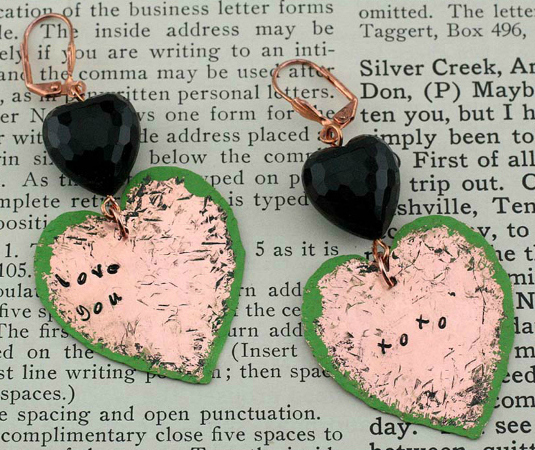
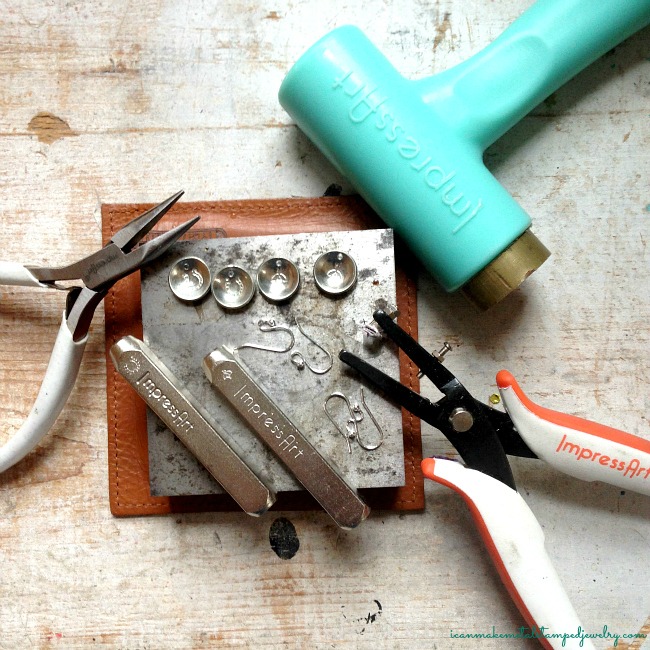
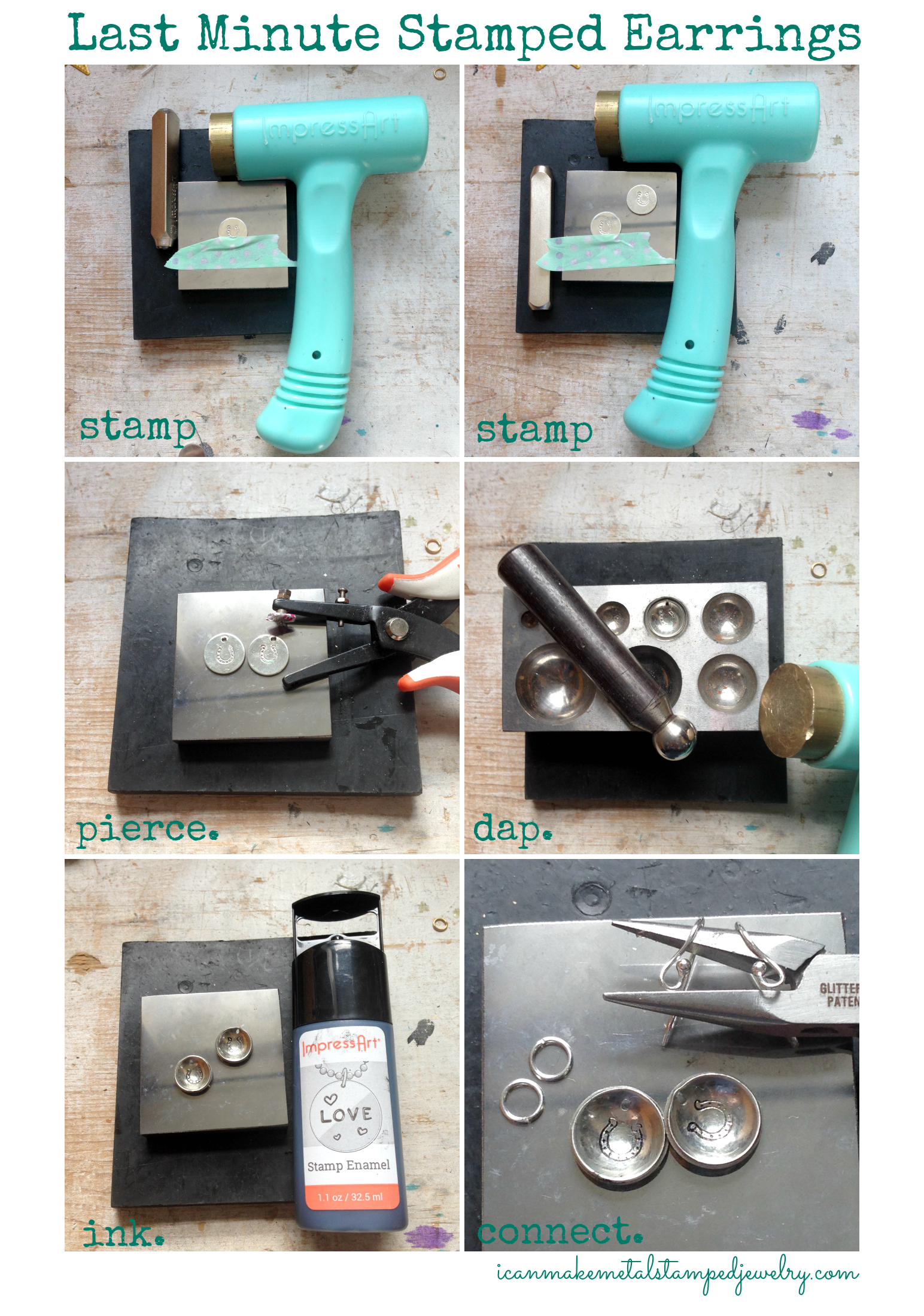
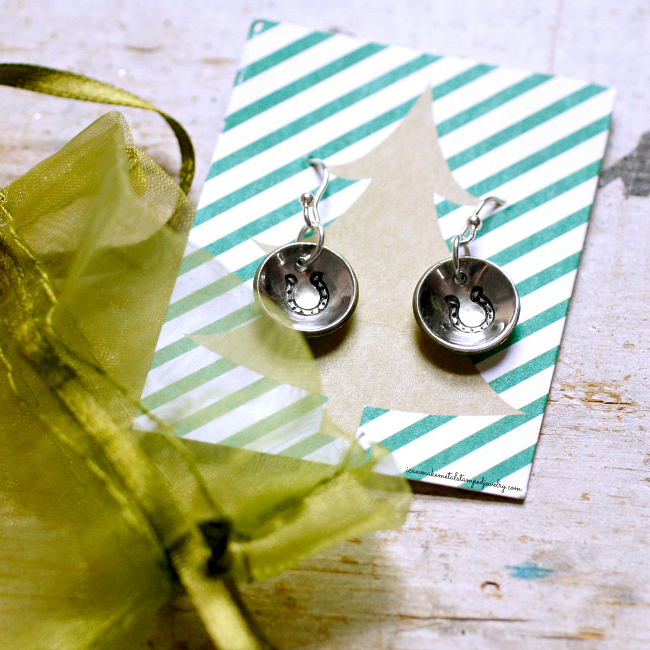
(You can get the instructions to make these earrings on the ImpressArt website.)
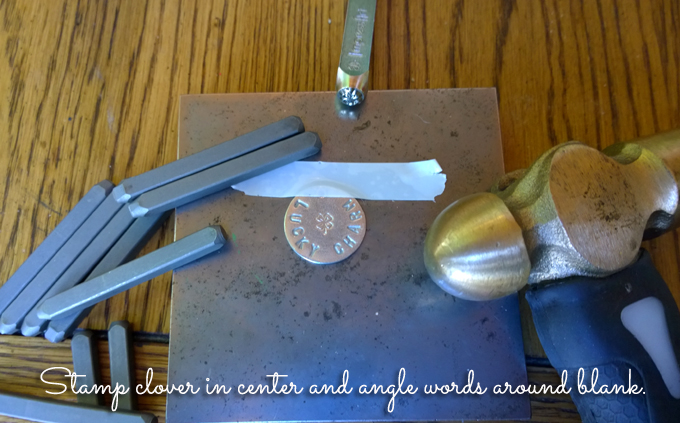
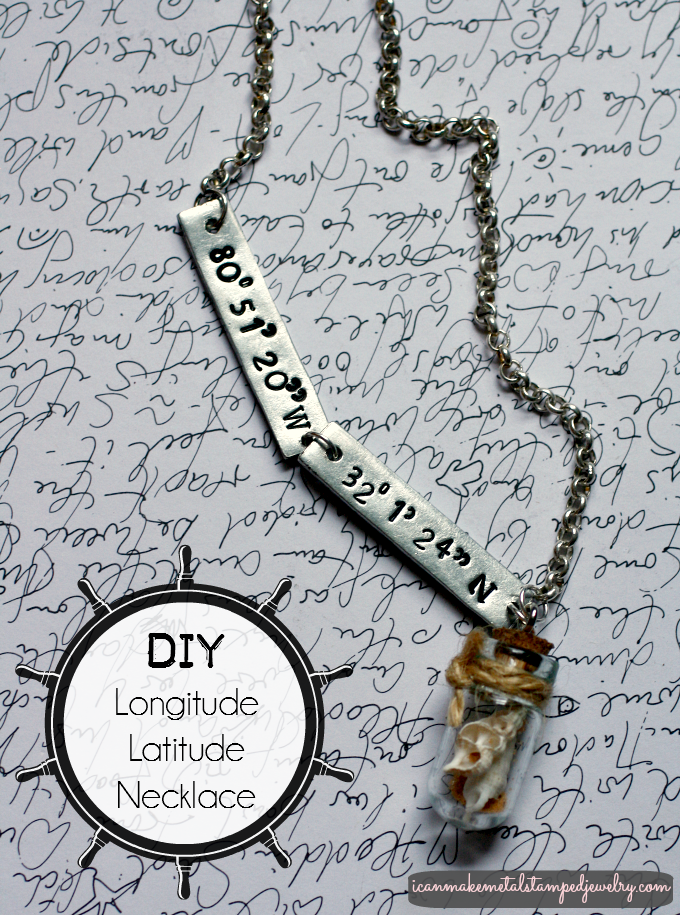
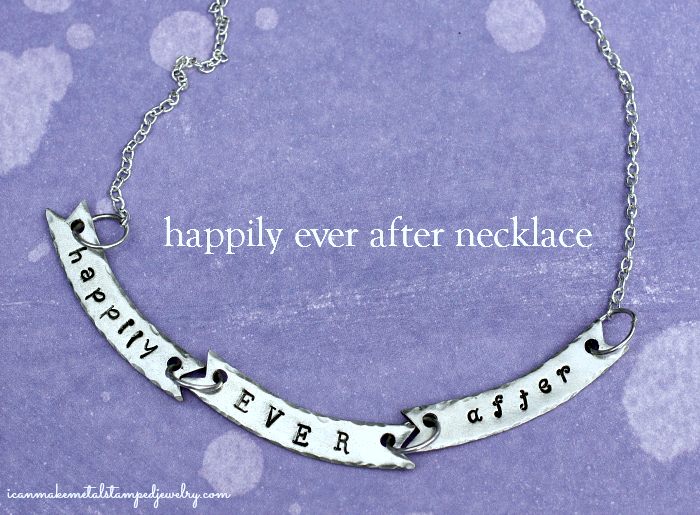
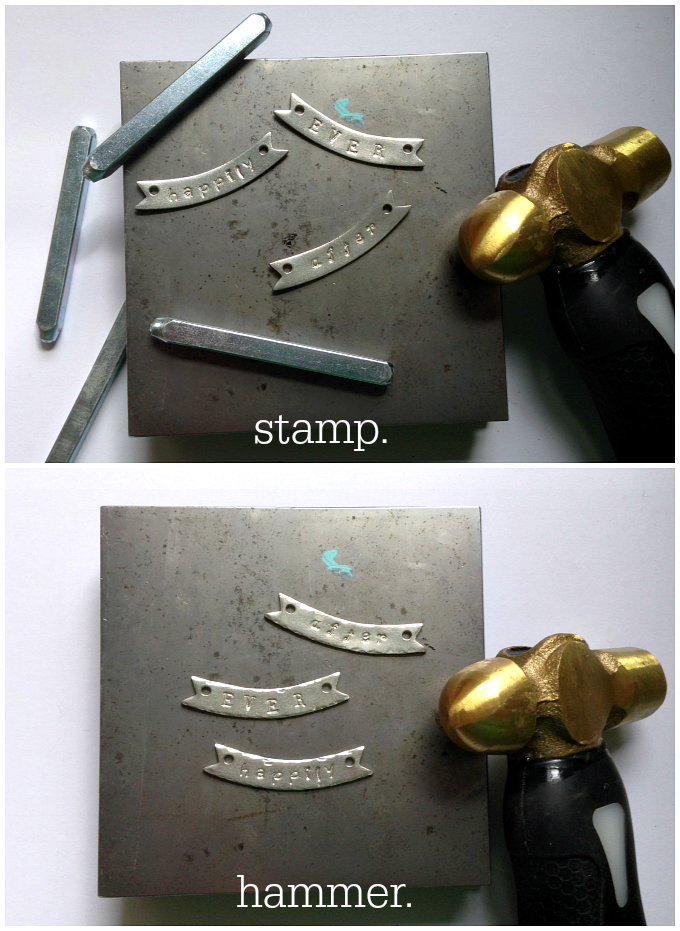
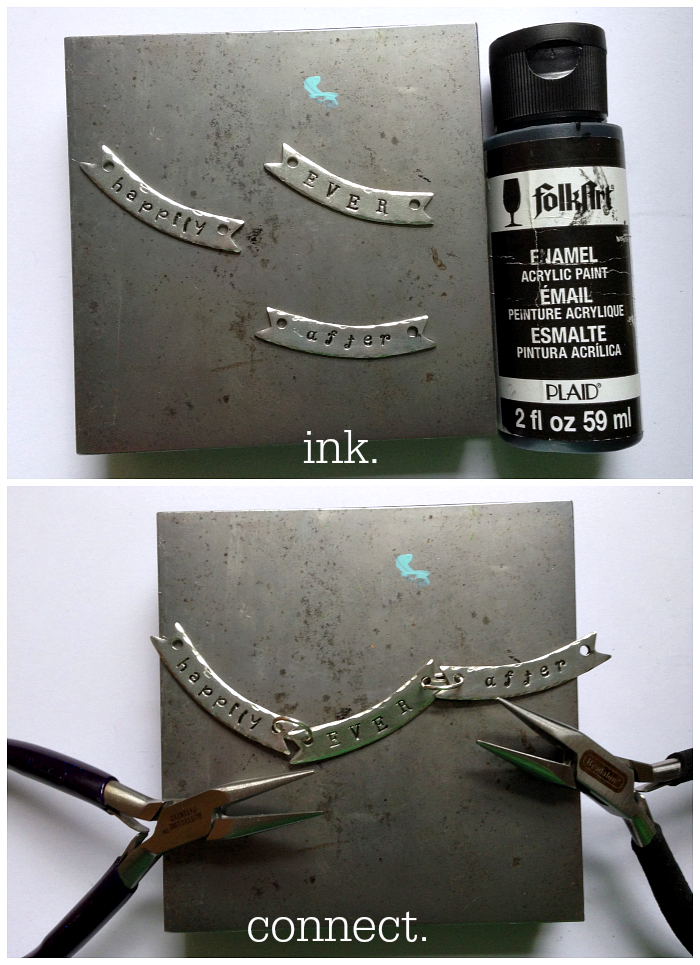
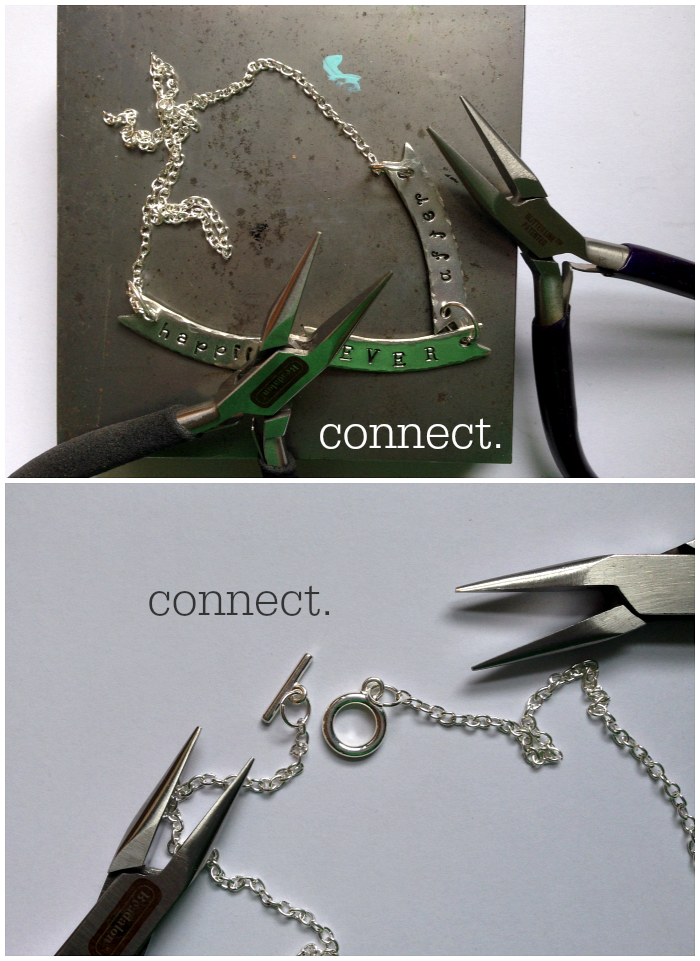
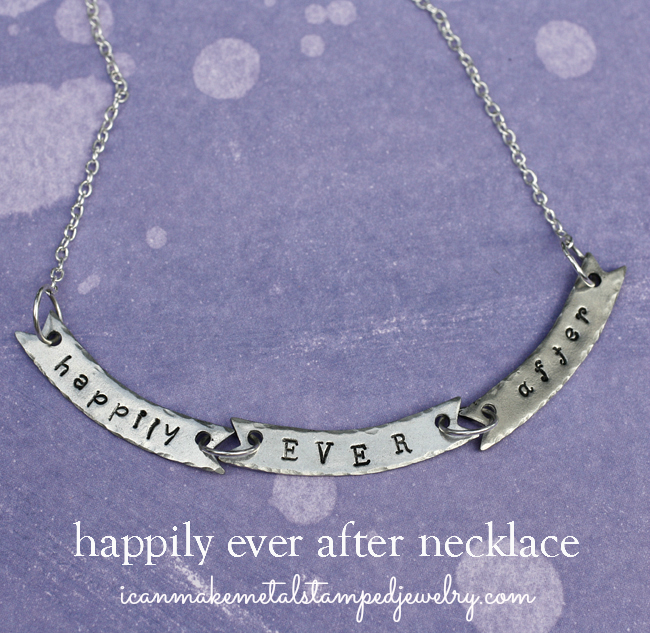
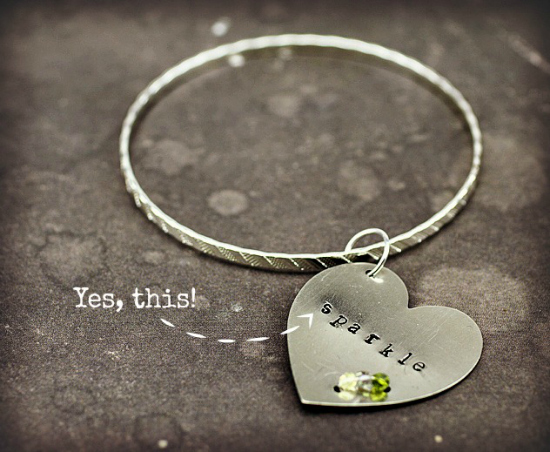
If that isn’t your style, there are ways to line up your letters, plan your spacing and get more consistent results. Using tape to hold the blank and placing the top of the tape just below where you want to stamp offers a guideline, marking the tape with equally spaced lines helps with spacing, making sure the words you want to stamp fit the width and height of the piece prevents running out of room, marking letter placement with a pencil offers a removable guideline, starting in the center and working to each side keeps your words centered. I like these tips and tricks from I Always Choose the Thimble on stamping and kerning, which utilizes techniques from typesetting. Here is a piece I stamped marking the tape and sliding the blank down to the top of the tape:
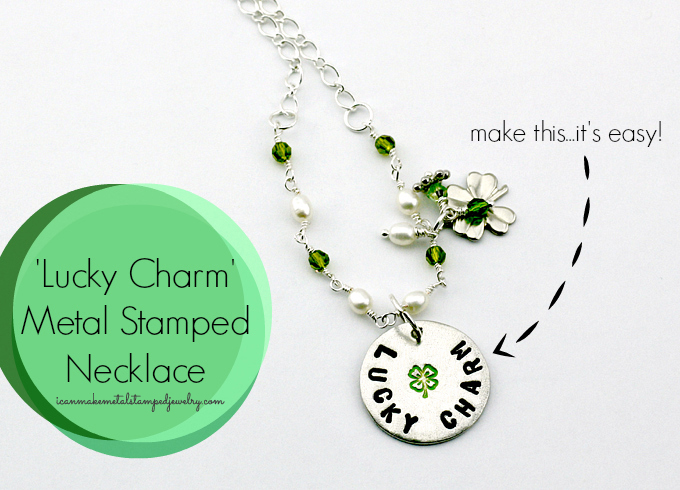
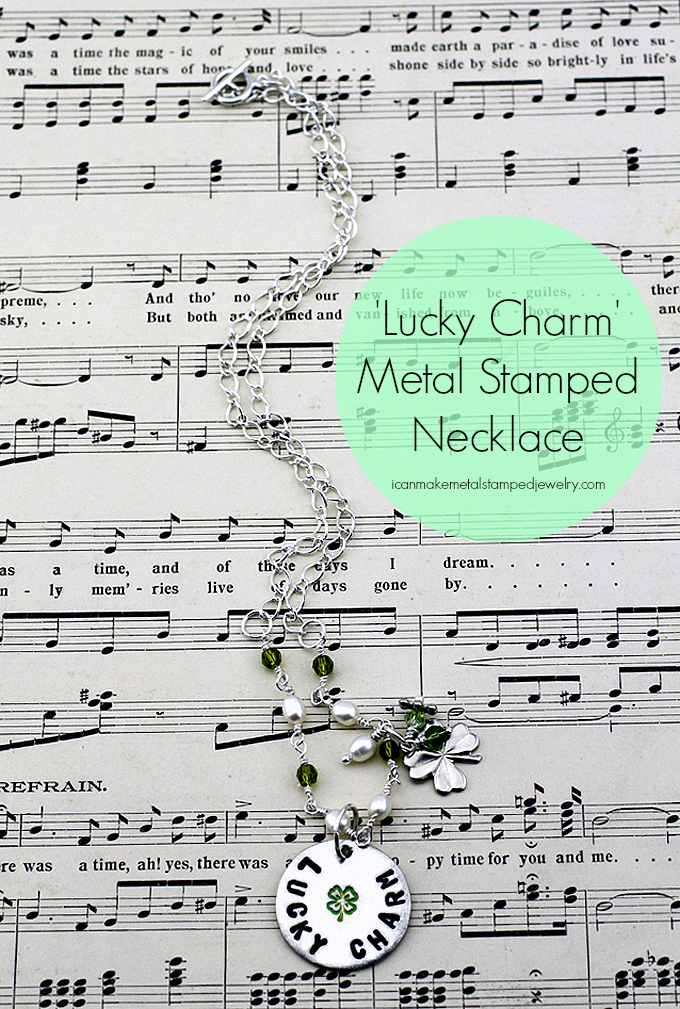
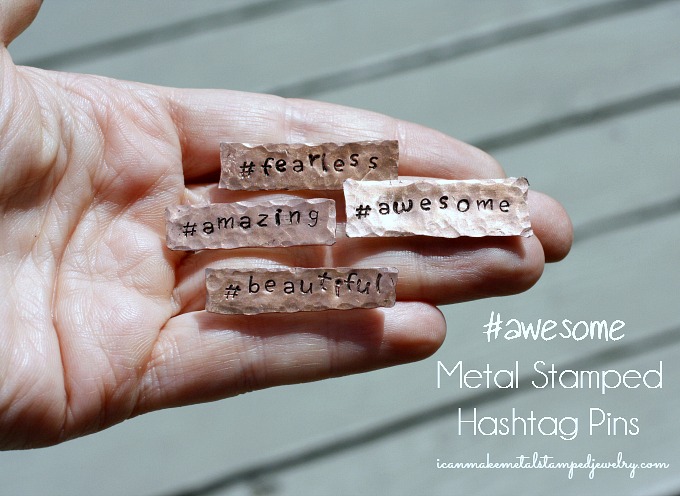
It’s easier to stamp straight lines than along curves, but with a little practice and making sure the stamps are curved you can achieve lovely results. Here’s a curved design, using the petals helped with the placement, it was easier to center the stamps:
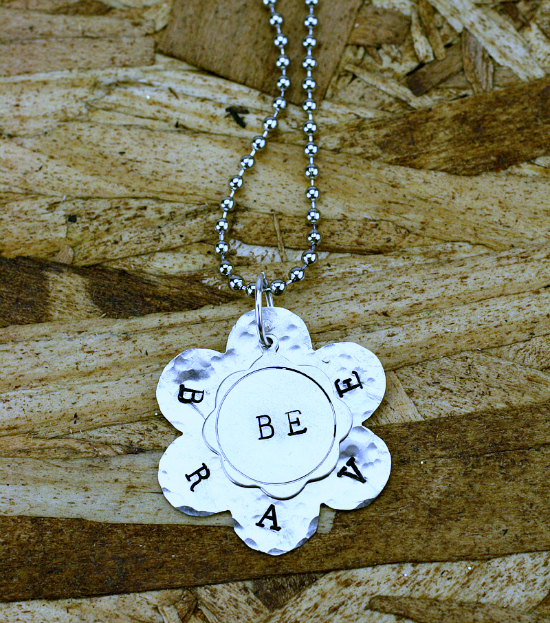
As you can see, even my best efforts are not perfect and I am fine with that. When you’re first starting out with stamping, using thin rectangular blanks is much easier whether you’re stamping horizontally or vertically. There isn’t much room for error and that’s a good thing! Practicing on thin metal strips is another way to work on your technique. With metal stamping, practice doesn’t make perfect, but it definitely makes you more consistent.
My advice, embracing imperfection in metal stamping is the key to enjoying it! Nothing will make you crazier than trying to force perfection on something that isn’t designed for it. After all, that imperfection is how you know it’s been hand made.
Cheers,
Madge
(Disclosure: Affiliate link below, if you buy this kit, I get a small percentage of the sale.)
Want to get started metal stamping? Here’s a great starter kit from ImpressArt and PJ Tool Jewelry: